heromimage

Rental Property ROI in Hampton Roads: How to Calculate, Improve, and Maximize Your Returns

If your rental property deposits money into your account each month, it is easy to assume it is performing well — and many owners stop there. But rental property ROI often tells a different story than cash flow alone.

A property can generate positive cash flow while still underperforming. Below-market rent, extended vacancy, and reactive maintenance may seem minor, but over time, they compound, reducing overall rental property return on investment (ROI) and slowing long-term growth.

In 2026, the Hampton Roads market demands greater precision. Higher insurance costs, higher labor and materials costs, and tighter margins mean “good enough” no longer maximizes performance.

In this guide, we’ll show you how to calculate rental property ROI accurately, define strong performance in today’s market, and identify practical adjustments that improve long-term returns.

What Does Rental Property Performance Actually Mean?

Before evaluating the numbers, it’s important to define what strong rental property performance actually looks like beyond simply collecting rent each month.

Cash Flow vs True ROI

Cash flow measures the income left after monthly expenses. True ROI evaluates the total return on your invested capital, including appreciation, principal paydown, tax impact, and operational efficiency.

Basic ROI Formula

ROI = (Annual Net Profit ÷ Total Investment) × 100

Rental property ROI is calculated by dividing your annual net profit by your total cash invested, then multiplying by 100 to get a percentage.

Net profit includes cash flow, plus principal reduction and any realized gains.

Total investment includes down payment, closing costs, and capital improvements.

Cash-on-Cash Return vs Traditional ROI

Cash-on-cash return measures annual pre-tax cash flow divided by total cash invested.

Traditional ROI includes appreciation and loan amortization in addition to cash flow.

Cash-on-cash focuses on income performance; full ROI reflects total wealth building through rental property investment.

Why ROI Matters More Than Monthly Cash Flow

Monthly cash flow shows short-term income.

ROI measures long-term performance.

A property with modest cash flow but strong appreciation and principal reduction may outperform one with higher income but weaker overall growth. ROI captures the complete financial impact of ownership.

Vacancy Rate and Days on Market

Extended days on market increase carrying costs and signal pricing or marketing inefficiencies. Even small gaps between tenants compound over time, lowering annual net profit and weakening long-term return percentages.

Tenant Quality and Turnover Costs

High-quality tenants protect ROI by paying on time, maintaining the property, and renewing leases.

The true cost of a bad tenant or frequent turnover can be seen in increased cleaning, repair, and leasing costs, as well as lost rent.

Stable tenancy reduces operating volatility and improves the predictability of long-term rental property investment performance.

Maintenance Efficiency and Asset Preservation

Preventative maintenance protects property condition and stabilizes expenses. Efficient maintenance planning preserves asset value, reduces unexpected capital outlays, and supports stronger ROI by controlling long-term operating costs.

It’s also important to know that every location’s maintenance requirements can differ. Learn more about what landlords in Hampton Roads need to know about maintenance responsibilities.

Rent Positioning vs Market Rate

Accurate rent positioning balances competitiveness with profitability, ensuring the property captures full earning potential without sacrificing occupancy stability.
Quick Self-Assessment: Is Your Rental Underperforming?

Use the questions below to quickly identify whether small operational gaps may be quietly reducing your rental property ROI.

Are You Pricing Based on Data or Guesswork?

If you are not regularly analyzing comparable properties, demand trends, and days on market, you may be underpricing or overpricing. It’s time to ask yourself: Is your rental actually performing well?

Are You Experiencing More Than One Vacancy Every 18–24 Months?

Frequent tenant turnover increases lost rent, leasing costs, and maintenance expenses, reducing long-term ROI.

Have You Calculated the Cost of a Single Bad Tenant?

Missed rent, property damage, legal fees, and extended vacancy can erase an entire year of returns, making it important to understand the true cost of a bad tenant.

Are You Spending More Time Managing Than You Expected?

If self-management is consuming evenings and weekends, the opportunity cost may be reducing your true return. It might be time to evaluate whether self-managing a rental property is still worth it for you and your business.

Have your operating expenses increased faster than your rental income over the past two years?

Rising insurance, maintenance, and vendor costs can quietly compress margins. If expenses are rising without corresponding rent increases or efficiency improvements, your rental property's ROI may be steadily declining even if cash flow remains positive.

What Are the Hidden Costs That Reduce Rental Performance in Hampton Roads?

When buying in Hampton Roads for rental investment success, many owners focus on acquisition price and projected rent, but long-term performance depends just as heavily on operational precision. Even in a stable region, small inefficiencies can quietly reduce rental property ROI.

Local demand remains steady due to military relocation, shipyard employment, healthcare expansion, and port activity, but consistent demand does not eliminate performance risk.

The following issues frequently impact rental properties across Virginia Beach, Norfolk, Chesapeake, and surrounding markets.

Competitive Pricing Mistakes That Extend Vacancy

In Hampton Roads, pricing errors often stem from relying on outdated comps or ignoring submarket variation. Rent expectations in Town Center differ from Ocean View, and Western Branch performs differently from Greenbrier. Overpricing can extend days on market, while underpricing leaves income on the table.

Maintenance Delays That Reduce Asset Value

Coastal humidity, salt exposure, and storm cycles accelerate wear on roofing, HVAC systems, siding, and exterior components throughout Hampton Roads and Virginia Beach. Delayed maintenance may reduce short-term costs, but it often leads to larger capital repairs later.

Underestimating Tenant Screening Risk

Hampton Roads experiences steady relocation activity, which can make it tempting to speed up the tenant screening process. However, a single non-paying tenant can quickly wipe out months of returns. Maintaining a structured screening process protects income stability and supports stronger rental property ROI.

Turnover Costs That Erode Annual ROI

Even in strong rental areas, each turnover brings cleaning, repairs, marketing time, and lost rent. One extended vacancy can significantly reduce annual return percentages, so it’s important to minimize turnover.

How Does Cheap Property Management Often Lead to Lower Returns?

When evaluating property management, many owners focus on the monthly fee, assuming a lower percentage improves cash flow. However, rental property ROI is driven by performance, not price alone.

Low-fee management often means weaker marketing, screening, maintenance coordination, and rent analysis. These gaps increase vacancy, turnover, repair costs, and missed rent growth, often proving that cheap property management often costs more in the long run.

Performance-focused management, by contrast, prioritizes income optimization and asset protection. The goal is not simply to manage tasks, but to improve long-term returns on rental property investments.

Low-Fee Management

Performance-Focused Management

Competes primarily on price

Competes on measurable results

Minimal rent analysis

Data-driven rent positioning

Reactive maintenance

Preventative maintenance planning

Basic tenant screening

Structured, risk-based screening

Higher turnover frequency

Tenant retention strategy

Focus on monthly cost

Focus on long-term rental property ROI

Maintenance Strategy: Expense or Investment?

Maintenance is often treated as an expense, but it is a key driver of long-term ROI.

In Hampton Roads — including Virginia Beach, Norfolk, Portsmouth, and Chesapeake — coastal humidity, storms, and aging housing make proactive maintenance essential to protecting the long-term performance of rental property investments.

There’s a lot to consider when it comes to what landlords need to know about maintenance responsibilities.

Virginia landlords are legally required to maintain safe and habitable housing, but meeting minimum standards does not automatically maximize returns. Especially in Norfolk and surrounding cities, maintenance planning should extend beyond compliance to long-term asset protection.

Owners who treat maintenance as an investment typically experience lower turnover, fewer emergency expenses, stronger tenant satisfaction, and more consistent rental property ROI over time.

Preventative Maintenance vs Reactive Repairs

Preventative maintenance protects income stability and asset value, with routine servicing costing far less than emergency repairs. Reactive maintenance often results in higher expenses, tenant frustration, and avoidable vacancy. In competitive markets like Virginia Beach and Chesapeake, even brief repair delays can extend turnover and reduce rental property income.

Biannual Inspections and Asset Protection

Structured biannual inspections — both interior and exterior — create accountability and early problem detection. In Newport News, Norfolk, and Portsmouth, where many properties include older plumbing, foundations, and roofing systems, inspections help identify wear before it escalates into capital-level repairs. Regular oversight also reinforces lease compliance, reducing damage risk and supporting tenant retention.

Self-Managing vs Professional Property Management: Performance Comparison

Performance Factor

Self-Managing

Professional Property Management

Vacancy Rate

Often reactive marketing; longer days on market if pricing or listing strategy is off.

Proactive pricing analysis, structured marketing systems, and faster lease-up timelines.

Tenant Screening

May rely on basic credit and income checks; risk of inconsistency.

Standardized, risk-based screening with documented criteria and compliance oversight.

Legal Compliance

Owner responsible for staying current on Virginia landlord-tenant law and fair housing updates.

Ongoing compliance management, lease updates, and procedural safeguards.

Maintenance Efficiency

Vendor coordination handled individually; often reactive scheduling.

Established vendor networks, preventative maintenance plans, and faster response times.

Time Investment

Evenings, weekends, and emergency calls handled personally.

Operational tasks delegated, allowing owner focus on strategy or portfolio growth.

Long-Term ROI

Can perform well with strong systems, but performance varies by owner capacity.

Structured oversight designed to stabilize income, reduce volatility, and protect rental property investment returns.


Self-managing can reduce visible management fees, but it requires consistent execution, legal awareness, vendor coordination, and data-driven rent positioning.

Professional property management shifts the focus from task completion to performance optimization with the goal of improving vacancy control, tenant quality, and long-term ROI.

How Do Small Operational Improvements Affect Rental Property ROI?

To understand how small operational improvements affect rental property ROI, consider three hypothetical scenarios in Hampton Roads. None rely on dramatic rent spikes or speculative appreciation — only disciplined performance adjustments.

Virginia Beach Rental: Strategic Rent Adjustment

A Virginia Beach rental property is leased slightly below the current market rate. Based on the updated market analysis, the rent will increase by 3% at renewal.

  • Monthly rent increases from $2,000 to $2,060
  • Annual income increases by $720

That adjustment alone improves annual net operating income without adding risk. Over five years, assuming stable occupancy, that single data-driven pricing decision adds $3,600 in gross income, directly increasing rental property ROI with no additional capital investment.

Norfolk Duplex: Reducing Vacancy by 7 Days

A Norfolk duplex averages 21 days on market between tenants. With improved marketing, pre-listing preparation, and earlier renewal conversations, vacancy is reduced by 7 days.

  • Monthly rent per unit: $1,400
  • 7 days recovered = approximately $327 per turnover

Across two units, one reduced vacancy cycle preserves over $650 in annual income. When vacancy reduction becomes consistent, the cumulative effect materially strengthens long-term rental property investment performance.

Chesapeake Single-Family Home: Avoided Eviction and Preventative Savings

A Chesapeake single-family home implements stronger tenant screening standards and structured preventative maintenance. Assuming rent is $1,800 per month, this avoided:

  • 2 months lost rent: $3,600
  • Legal and court costs: $1,500
  • Turnover and repair costs: $2,000
  • Total potential loss avoided: $7,100

Preventative Maintenance Example: Asset Preservation in Hampton Roads

A Suffolk property implements annual HVAC servicing and biannual inspections. Preventative HVAC maintenance typically costs $250–$350 per year, a modest expense compared to a premature system replacement that can range from $6,000–$8,000.

Extending the system’s lifespan by even two years improves capital efficiency, avoids high unexpected costs, and reduces vacancy risk. Preventative maintenance directly protects long-term rental property value.

How Does Osprey Maximize Rental Property ROI in Hampton Roads?

A good ROI on rental property is not accidental — it is driven through strategically defined systems, specialized roles, and measurable oversight.

Osprey Property Management applies this structured, performance-focused approach specifically to the Hampton Roads market, aligning local rental dynamics with disciplined execution to maximize long-term returns.

Departmentalized Management Structure

Instead of assigning all responsibilities to one property manager, Osprey uses a departmentalized structure. Leasing, maintenance, inspections, accounting, and compliance are handled by specialized teams, improving response time and consistency across Hampton Roads rental properties.

Data-Driven Rent Analysis

Rent pricing is based on current comparable data and market trends, not guesswork. Accurate positioning helps prevent underpricing, reduce vacancy, and strengthen rental property ROI in Hampton, Virginia Beach, and other areas of Hampton Roads.

Advanced Tenant Screening Process

Osprey uses structured screening that goes beyond credit checks. Income verification, rental history, background screening, and compliance procedures reduce default risk and protect long-term rental property investment performance.

Inspection and Maintenance Systems

Biannual inspections, preventative maintenance scheduling, and established vendor relationships create operational predictability. In coastal environments like Virginia Beach and Norfolk, proactive oversight helps mitigate humidity-related wear, storm exposure, and aging housing stock risks. Preventative systems reduce emergency costs and preserve asset value.

Performance Reporting and Financial Transparency

Clear monthly reporting and financial transparency allow owners to track rental property ROI with confidence. Income, expenses, vacancy metrics, and maintenance trends are visible and measurable. This reporting structure enables investors to accurately evaluate performance and make informed portfolio decisions.

In Hampton Roads, rental demand provides opportunity, but disciplined execution drives results. Osprey’s systems are designed not just to manage properties, but to maximize ROI over time.

Frequently Asked Questions About Rental Property Performance in Hampton Roads

What is a good ROI for a rental property in Virginia Beach?

A good ROI on rental property in Virginia Beach varies by leverage and asset type, but strong performance should outperform comparable local cap rates while maintaining stable occupancy and controlled expenses. Higher-leverage properties may boost cash-on-cash returns, while long-term holds benefit from appreciation and principal paydown.

How many vacancy days are normal in Norfolk?

In Norfolk, well-priced rentals in stable neighborhoods often average 14 to 30 days on market. Properties that have been on the market for more than 30 days may be overpriced, poorly marketed, or condition-sensitive. Reducing vacancy by even one week can meaningfully improve annual rental property ROI, especially in multi-unit properties.

How often should rental inspections occur in Chesapeake?

In Chesapeake and surrounding areas, biannual inspections are a common best practice. Conducting interior and exterior inspections every six months helps identify maintenance concerns early, reinforce lease compliance, and protect property condition. Structured inspection schedules support asset preservation and reduce the risk of costly deferred repairs.

Is it better to self-manage a rental property in Hampton Roads?

Self-managing can reduce visible management fees, but it requires time, legal knowledge, vendor coordination, and consistent screening standards. In Hampton Roads, professional management often improves vacancy timelines, tenant quality, and maintenance efficiency, which can strengthen long-term rental property ROI.

Is investing in a rental property a good investment?

Investing in a rental property can be a good investment when returns are measured and managed properly. Success depends on accurate rent positioning, controlled expenses, stable occupancy, and long-term market fundamentals. In Hampton Roads, steady demand supports opportunity, but disciplined oversight ultimately determines whether rental property ROI meets performance expectations.

How do I know if my property manager is underperforming?

Signs of underperformance include repeated extended vacancy, below-market rent positioning, poor communication, frequent tenant turnover, and unclear financial reporting. If you cannot clearly track income, expenses, and ROI metrics, your rental property investment may not be operating at its full potential.

Calculate, Improve, and Maximize Your Hampton Roads Rental Property ROI

The true success of a rental property is not defined by positive cash flow alone. True performance requires accurate calculation, disciplined expense control, strategic rent positioning, vacancy management, strong tenant screening, and proactive maintenance planning.

In Hampton Roads, steady demand provides opportunity, but tighter margins require precision. Small inefficiencies in pricing, turnover, maintenance, or management structure can compound quickly and reduce long-term returns. Owners who consistently monitor ROI, adjust based on data, and implement structured systems are the ones who maximize performance over time.

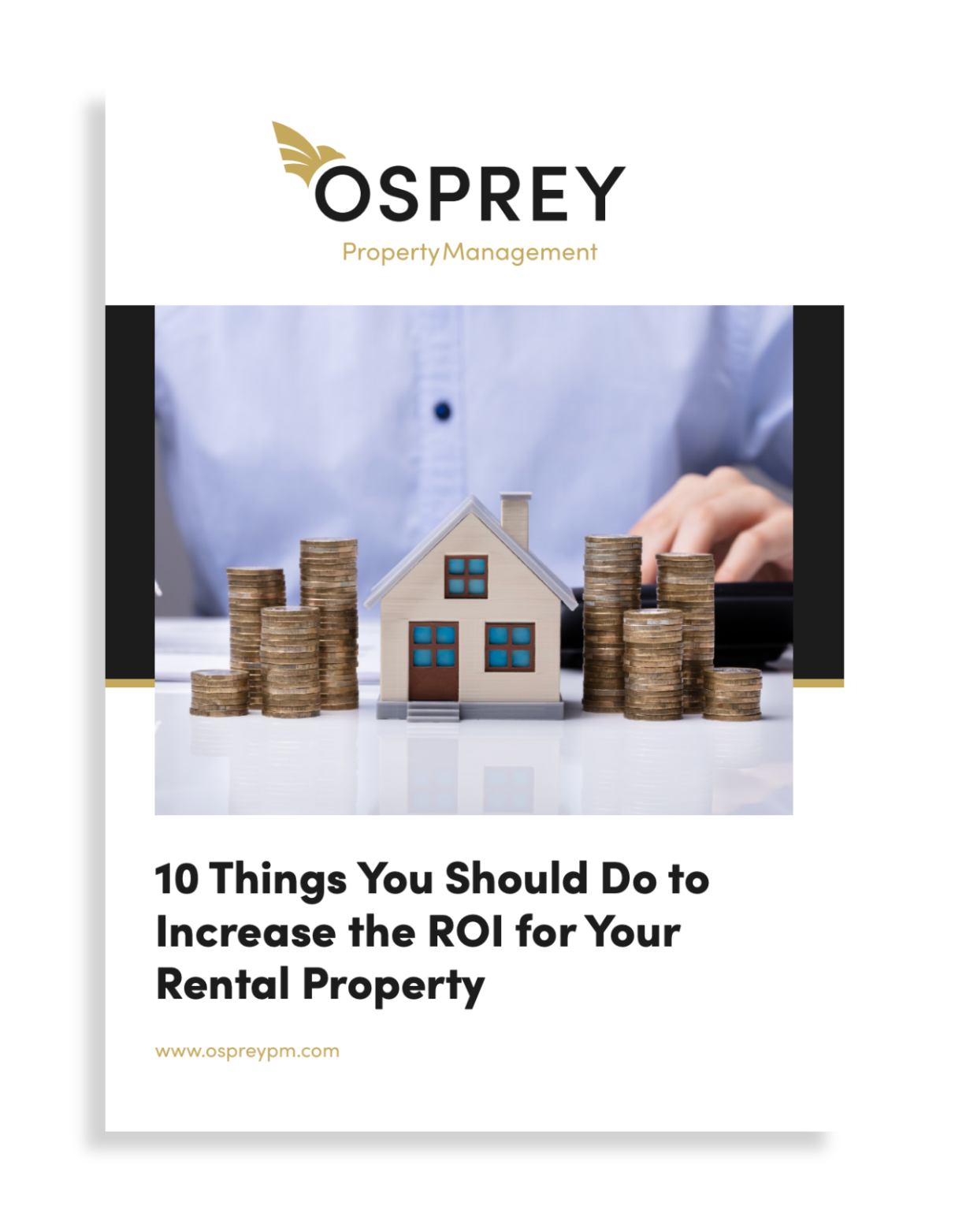
If you are collecting rent each month but are not sure whether your property is truly performing, you are not alone. Many owners miss simple opportunities to improve returns. Download the 10 Things You Should Do to Increase the ROI for Your Rental Property guide to identify practical, high-impact ways to strengthen cash flow, reduce inefficiencies, and maximize long-term performance for your Hampton Roads rental property.

10 Things You Should Do to Increase Rental Property ROI

Want to Increase Your Hampton Roads Rental Property ROI Without Guesswork?

If you are unsure where your rental property may be underperforming, the biggest missed opportunities are often the simplest ones to fix. Small inefficiencies in pricing, maintenance, tenant quality, and operations can quietly reduce returns over time.

Our 10 Things You Should Do to Increase the ROI for Your Rental Property guide breaks down the most impactful actions you can take to strengthen cash flow, reduce risk, and improve overall performance. Whether you are self-managing or working with a property manager, this resource provides a clear, practical framework to help you optimize your investment with confidence.

Download the guide and start identifying where your property can perform better today!