Spring Maintenance Tips for Chesapeake Rental Properties

Osprey Property Management   |   date April 7, 2026
"Listen to audio version"
14:16

Spring rental maintenance in Chesapeake, VA, should focus on a structured, proactive plan that protects your property from seasonal risks. Priorities include inspecting roofs and gutters, checking drainage, servicing HVAC systems, and addressing moisture concerns before they escalate.

In coastal Virginia, increased humidity, heavy rains, and shifting weather can quickly impact property performance. Without a clear maintenance strategy, small issues can turn into expensive repairs, tenant disruptions, or vacancy.

Preventative maintenance supports more predictable performance by reducing risk, controlling expenses, and preserving long-term asset value. With the right systems in place, seasonal upkeep becomes a repeatable, ROI-driven process rather than a reactive burden.

Here, we’re going to explore why spring rental maintenance is critical for Chesapeake rental properties, which maintenance tasks to prioritize, common mistakes to avoid, and how a structured maintenance approach supports long-term rental property return on investment (ROI).

Why Spring Maintenance Matters for Chesapeake Rental Properties

Spring is a critical transition period for rental maintenance, especially in Chesapeake and the broader Hampton Roads area. Seasonal changes introduce new operational risks that can impact property condition, operating costs, and overall performance if not addressed early.

Impact on Rental Property ROI and Long-Term Asset Value

Consistent spring maintenance plays a direct role in protecting rental property ROI. By addressing minor issues before they escalate, owners can avoid costly repairs and preserve the asset's long-term condition. Well-maintained properties are also more likely to retain tenants and minimize vacancies, supporting more stable, predictable income and reducing performance variability over time.

Seasonal Transition Risks

As temperatures rise and weather patterns shift, properties are increasingly exposed to moisture, pest activity, and HVAC strain. Systems that were dormant or underutilized during winter are now operating at higher capacity, potentially revealing underlying issues. Without planned maintenance, these seasonal pressures can lead to unexpected breakdowns, tenant disruptions, and higher costs.

Specific Chesapeake Maintenance Factors

Chesapeake’s coastal environment introduces additional considerations, making spring maintenance even more important. High humidity levels increase the risk of moisture buildup and mold, particularly in areas with limited ventilation. Heavy spring rains can expose drainage issues, leading to standing water or foundation concerns. At the same time, pollen and debris buildup can impact gutters, exterior surfaces, and HVAC performance.

Taking a structured, preventative approach to rental maintenance helps reduce these risks, avoid unexpected issues, and support a more stable, hands-off ownership experience.

Exterior Spring Maintenance Checklist for Chesapeake Rentals

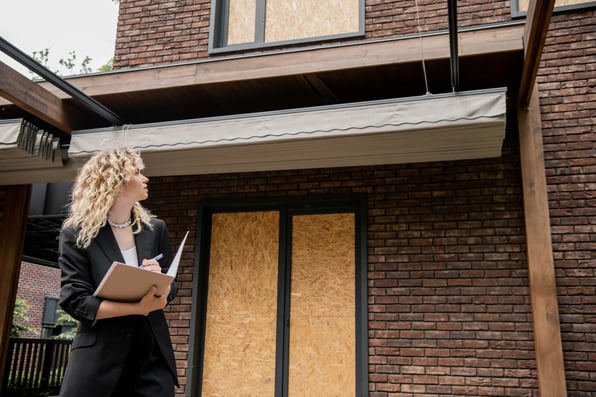
Exterior rental maintenance is especially important in Chesapeake, where seasonal weather and coastal conditions can accelerate wear and tear. Addressing these areas early helps prevent water intrusion, protect structural elements, and maintain strong curb appeal.

Roof and Gutter Inspection

  • Inspect the roof and gutter system as the first line of defense against spring rains
  • Clear debris from gutters and downspouts to ensure proper water flow and prevent blockages
  • Check for winter storm damage, including missing shingles or compromised flashing
  • Maintain these systems to help prevent interior damage and costly water-related repairs

Drainage and Foundation

  • Ensure proper grading around the property so water flows away from the foundation
  • Inspect for standing water after rainfall, as pooling near the structure may indicate drainage problems
  • Monitor flood-prone areas closely to reduce long-term structural risk

Landscaping and Curb Appeal

  • Clear out winter debris, trim overgrown plants, and remove dead vegetation
  • Refresh mulch to improve both drainage and appearance
  • Maintain curb appeal to support leasing success and reduce time on market

Siding, Windows, and Doors

  • Inspect siding and exterior surfaces for cracks, warping, or damage
  • Re-caulk where needed to prevent moisture intrusion
  • Clean windows to improve natural light and overall property appeal

Interior Spring Maintenance Tasks to Prevent Costly Repairs

Interior rental maintenance is just as important as exterior upkeep, especially as Chesapeake properties transition into warmer, more humid conditions. Addressing these areas early helps prevent costly repairs, reduce tenant issues, and maintain overall property performance.

HVAC System Preparation

  • Replace air filters to improve efficiency and indoor air quality
  • Inspect system performance to identify issues before peak summer use
  • Account for Chesapeake’s humid climate, where HVAC systems work harder to manage moisture, making preventative maintenance essential to avoid breakdowns and unexpected capital expenses

Plumbing and Leak Checks

  • Inspect under sinks, around toilets, and near appliances for signs of slow leaks, moisture buildup, or water damage
  • Address minor leaks early, as small issues can lead to mold growth or structural damage if left unaddressed
  • Prioritize early detection as a key component of cost control and asset protection

Safety Systems and Compliance

  • Test smoke detectors and carbon monoxide alarms to confirm they are operational and up to date
  • Inspect safety features throughout the property, including handrails, locks, and lighting
  • Ensure habitability standards are met to maintain a safe, compliant environment for tenants

Pest Prevention for Chesapeake Rental Properties

As temperatures rise, pest activity increases across Chesapeake and Hampton Roads. Proactive prevention helps avoid infestations that can damage property and disrupt tenants. Common pests like ants, termites, and mosquitoes are attracted to moisture and entry points. Sealing gaps and addressing moisture sources can significantly reduce risk.

A preventative pest control strategy is significantly more cost-effective than reactive treatment, helping protect both the property and overall rental performance.

Seasonal Inspections: Why Professional Oversight Matters

Routine rental property inspections are a key part of effective rental maintenance, especially during seasonal transitions like spring. They provide a structured way to identify issues early, maintain property condition, and ensure nothing is overlooked.

  • Routine inspections provide consistent visibility. Professional property management inspections are typically conducted at least twice per year, in addition to move-in and move-out evaluations, helping track condition over time.
  • Early issue detection helps control costs. Small maintenance concerns, such as minor leaks, HVAC inefficiencies, or exterior wear, can be identified and resolved before they become expensive repairs.
  • Documentation protects owners legally and financially. Detailed reports with photos and timestamps create a clear record of property condition, supporting lease enforcement and reducing dispute risk.
  • Structured oversight improves performance. A standardized inspection process with clear reporting and follow-up ensures maintenance is proactive, not reactive, and supports long-term property performance.

At Osprey Property Management, inspections are part of a broader, process-driven approach to rental property maintenance.

By combining local Chesapeake market expertise with consistent processes and detailed reporting, Osprey helps property owners reduce risk, stay informed, and protect long-term investment performance.

Common Spring Maintenance Mistakes Chesapeake Landlords Make

Even with the best intentions, gaps in seasonal rental maintenance can lead to avoidable issues. In a market like Chesapeake, where weather and environmental factors accelerate wear, small oversights can quickly impact property performance.

  • Delaying HVAC servicing. Waiting too long to service HVAC systems can lead to breakdowns during peak summer usage. Routine maintenance helps ensure efficiency and reduces the risk of costly repairs.
  • Ignoring minor leaks or drainage issues. Small moisture problems can quickly escalate in Chesapeake’s humid climate, leading to mold, wood rot, or structural damage if left unaddressed.
  • Overlooking exterior maintenance. Neglecting gutters, roofing, siding, or grading can increase the risk of water intrusion and accelerate property deterioration.
  • Taking a proactive approach. Waiting for issues to arise often results in higher costs and more disruption, while proactive rental maintenance helps protect performance and reduce risk over time.

For long-distance real estate owners, maintaining consistent oversight can be a major challenge. Without being on-site, it becomes difficult to monitor property condition, coordinate vendors, or catch issues early.

A professional property manager helps bridge that gap by providing structured maintenance execution, vendor coordination, and consistent reporting, allowing owners to remain hands-off while maintaining full visibility into performance.

How Preventive Maintenance Protects Your Rental Property ROI

Preventive rental maintenance directly improves financial performance over time. By addressing issues early and maintaining consistent property condition, owners can reduce variability and support more predictable returns.

Reduced Vacancy Through Better Property Condition

Well-maintained properties are more attractive to prospective tenants and more comfortable for current residents. This helps reduce vacancy periods and supports stronger leasing performance.

Lower Long-Term Repair Costs

Preventative maintenance helps catch small issues before they escalate into major expenses. Over time, this reduces the likelihood of large, unexpected repair costs and improves overall cost control.

Improved Tenant Retention

Tenants are more likely to stay in a property that is consistently maintained and responsive to their needs. Strong retention reduces turnover costs and helps stabilize income.

Stronger Asset Appreciation

Consistent rental property maintenance supports long-term asset value by preserving the home's condition. Well-cared-for properties are better positioned to maintain and potentially increase value over time.

How These Factors Work Together to Protect ROI

These benefits don’t operate in isolation; they work together. A well-maintained property attracts and retains tenants, helping reduce vacancy and turnover costs. At the same time, catching issues early helps avoid larger, more expensive repairs and keeps operating costs more predictable.

The result is more predictable cash flow and stronger long-term asset performance, rather than reactive, inconsistent outcomes.

For a deeper look at how these factors come together, explore how rental property ROI is calculated, improved, and sustained over time.

When to Consider Professional Property Management

Managing rental maintenance effectively requires time, coordination, and consistent oversight. For many owners, there comes a point at which handling everything independently becomes increasingly difficult to sustain.

As schedules get busier or portfolios grow, it can be challenging to keep up with routine maintenance, inspections, and tenant communication. At the same time, coordinating vendors, scheduling work, and ensuring repairs are completed properly requires ongoing attention and reliable systems.

Without a structured approach, maintenance can quickly become reactive rather than planned, leading to higher costs and greater performance variability.

Working with a professional property management team provides a repeatable, systems-driven approach to maintenance. With established processes, vendor networks, and regular inspections, owners gain visibility and control without day-to-day involvement.

For owners in Chesapeake and across Hampton Roads, partnering with an experienced team like Osprey Property Management helps reduce operational complexity while supporting long-term property performance.

Spring Rental Property Maintenance Checklist (Quick Reference)

Use this rental property maintenance checklist to stay on track with essential spring upkeep and prevent costly issues before they start:

  • Inspect the roof and gutters for debris, damage, and proper drainage
  • Check grading, drainage, and foundation for standing water or pooling
  • Service the HVAC system and replace filters before peak summer use
  • Inspect plumbing for leaks under sinks, around toilets, and near appliances
  • Test smoke detectors, carbon monoxide alarms, and safety features
  • Address pest prevention by sealing entry points and reducing moisture sources
  • Refresh landscaping, remove debris, and improve curb appeal

Consistent execution of these tasks supports property condition, reduces risk, and stabilizes rental performance over time.

Protecting Your Chesapeake Rental This Spring

Spring maintenance is more than seasonal upkeep. It is a core component of protecting your rental investment performance.

In a market like Chesapeake, where humidity, storms, and coastal conditions accelerate wear, a structured approach helps reduce risk and avoid preventable issues.

With consistent rental maintenance, owners can stay ahead of potential problems, maintain property condition, and support more predictable performance over time. Rather than reacting to repairs as they arise, a structured approach allows for better planning, fewer surprises, and stronger long-term results.

Want to better understand how your property is performing? Explore how rental property ROI is calculated, improved, and sustained across Hampton Roads.


Subscribe Our Newsletter

Sign up here to get the latest news, updates and special offers delivered directly to your inbox.